07 NOV 2025
Rethinking Biophilic Design: When Nature Isn’t Always Nurturing.
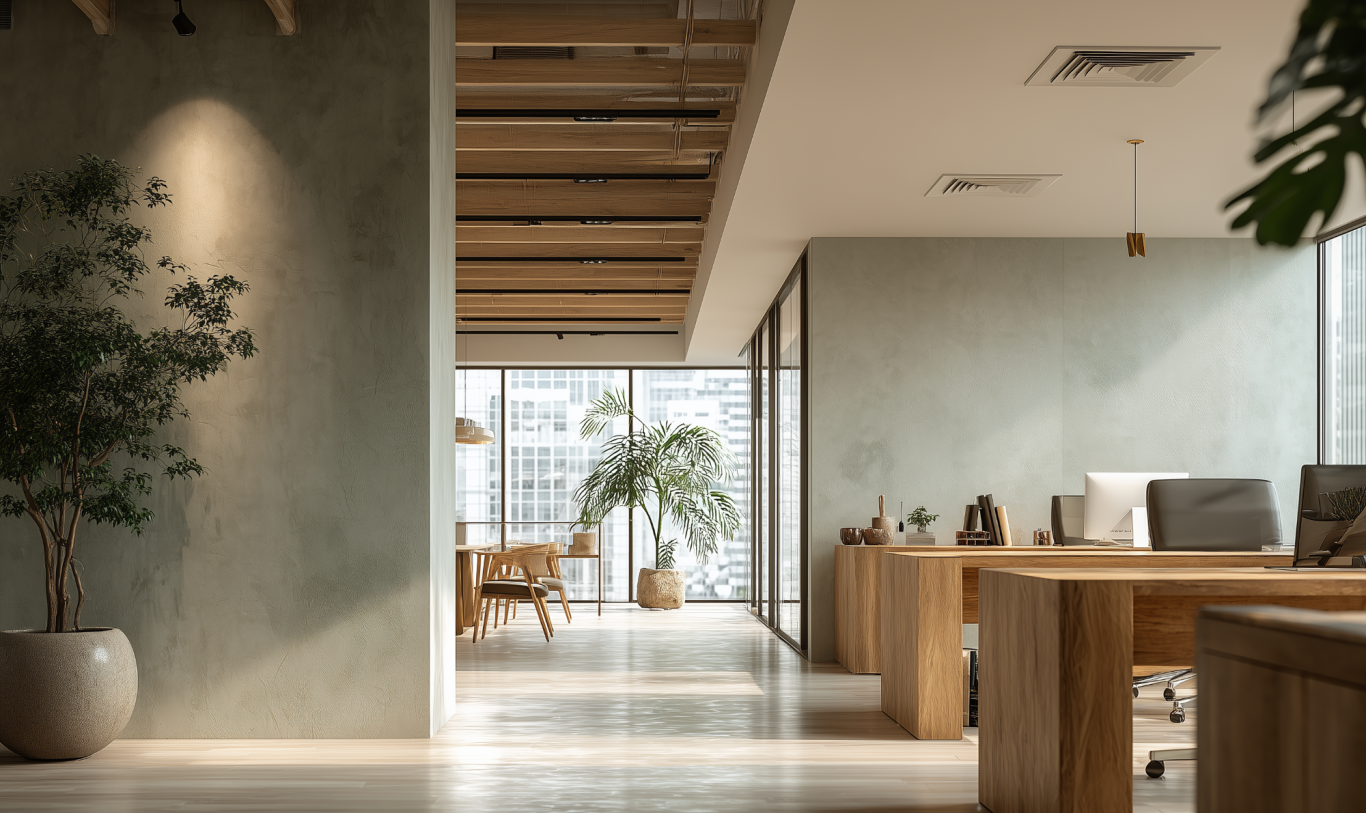
AI generated image for illustrative purposes. ©️Dawn Scott 2025.
Exploring how sensory sensitivities change our relationship with nature — and what that means for inclusive, biophilic design.
Biophilic design is everywhere — from workplaces filled with hanging plants to schools designed around sunlight and open courtyards.
The message is simple: nature is good for us.
And in many ways, it is. Countless studies show that being close to nature can reduce stress, improve concentration, and boost mood.
But what if nature doesn’t feel nurturing to everyone?
For some neurodivergent people with sensory sensitivities, the experience of nature can be far from soothing — sometimes, it’s overwhelming, unpredictable, or even unsafe.
🌿 Nature as comfort… or discomfort
For most of us, stepping outside into sunshine and birdsong feels restorative.
But for some neurodivergent people, that same environment can be unpredictable, overwhelming, or even painful.
The glare of sunlight, the sensation of heat or wind on skin, or the hum of outdoor noise can all trigger sensory distress. Nature’s intensity — its brightness, sound, movement, and unpredictability — can be too much.
And while some well-known autistic advocates describe the outdoors as their sanctuary, for others, the sensory overload makes it an unsafe space.
I see this first-hand with my daughter, who’s autistic and experiences challenges with interoception — the sense that helps us regulate internal functions like temperature, thirst, and hunger.
On very hot days, she can’t always tell when she’s overheating. The warmth of the sun, which most people find pleasant, can feel unbearable to her.
So when we talk about “bringing people closer to nature,” we need to remember that not everyone experiences nature the same way.
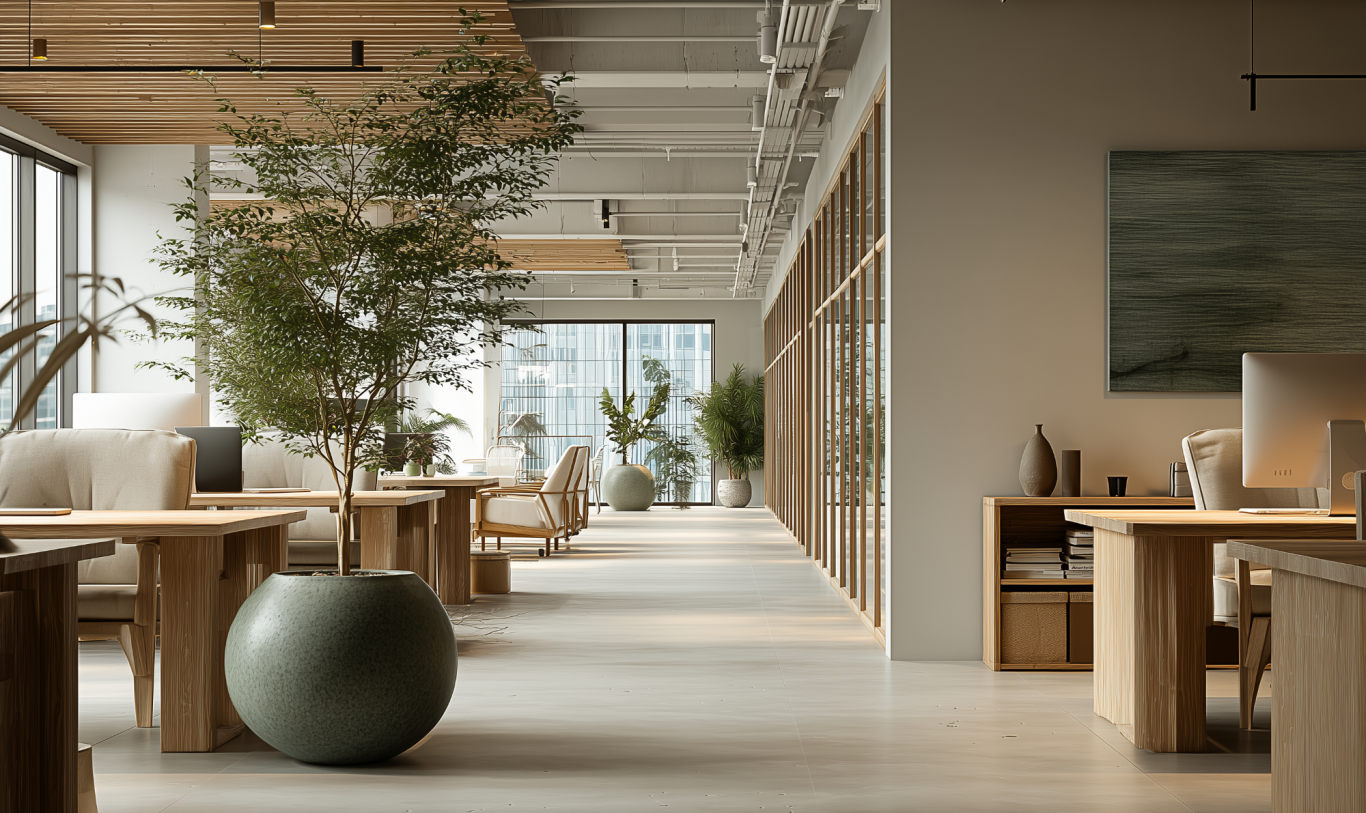
AI-generated images for illustrative purposes. © Dawn Scott 2025.
🏫 The “biophilic” school that started a conversation
A recent DfE project, celebrated as the UK’s first biophilic school, was designed around daylight, timber finishes, and a large outdoor courtyard for communal learning.
Architecturally, it’s beautiful — and it’s being discussed as a potential model for future schools.
But as more SEND children are integrated into mainstream education, it raises a vital question: does biophilic design really work for everyone?
If a child finds bright light painful or the unpredictability of outdoor spaces overwhelming, we can’t assume that pushing them outside — even into a beautifully designed courtyard — will improve their wellbeing.
Designing for the majority isn’t the same as designing inclusively.
🌱 What inclusive biophilia really means
True biophilic design isn’t about exposure to nature — it’s about connection.
And connection can happen in quieter, more sensory-considerate ways.
Biophilia should be about creating comfort, not discomfort.
That means thinking beyond plants, daylight and open-air courtyards, and asking instead: how can this space evoke nature in a way that feels safe and soothing to everyone?
🎨 Inclusive ways to bring nature indoors
Here are some simple ways to make biophilic design more inclusive:
🌿 Colour: Use nature-inspired palettes that feel calm and grounding — soft greens, gentle sky blues, and muted neutrals — rather than literal, high-saturation hues. But don’t forget that all colours are found in nature.
🌾 Texture and imagery: Add tactile natural materials or subtle nature imagery that evokes the outdoors without overwhelming the senses.
💧 Sound and scent: Controlled soundscapes or scents can enhance wellbeing, but always allow personal choice and control.
🌤️ Temperature and light: Avoid extremes. Dimmable lighting, adjustable ventilation, and shading options support sensory comfort and autonomy.
Because connection to nature doesn’t have to mean being in nature — sometimes it’s about creating a space that feels natural, not one that recreates every stimulus of the outdoors.
It’s about being nature-inspired, not nature-dependent.
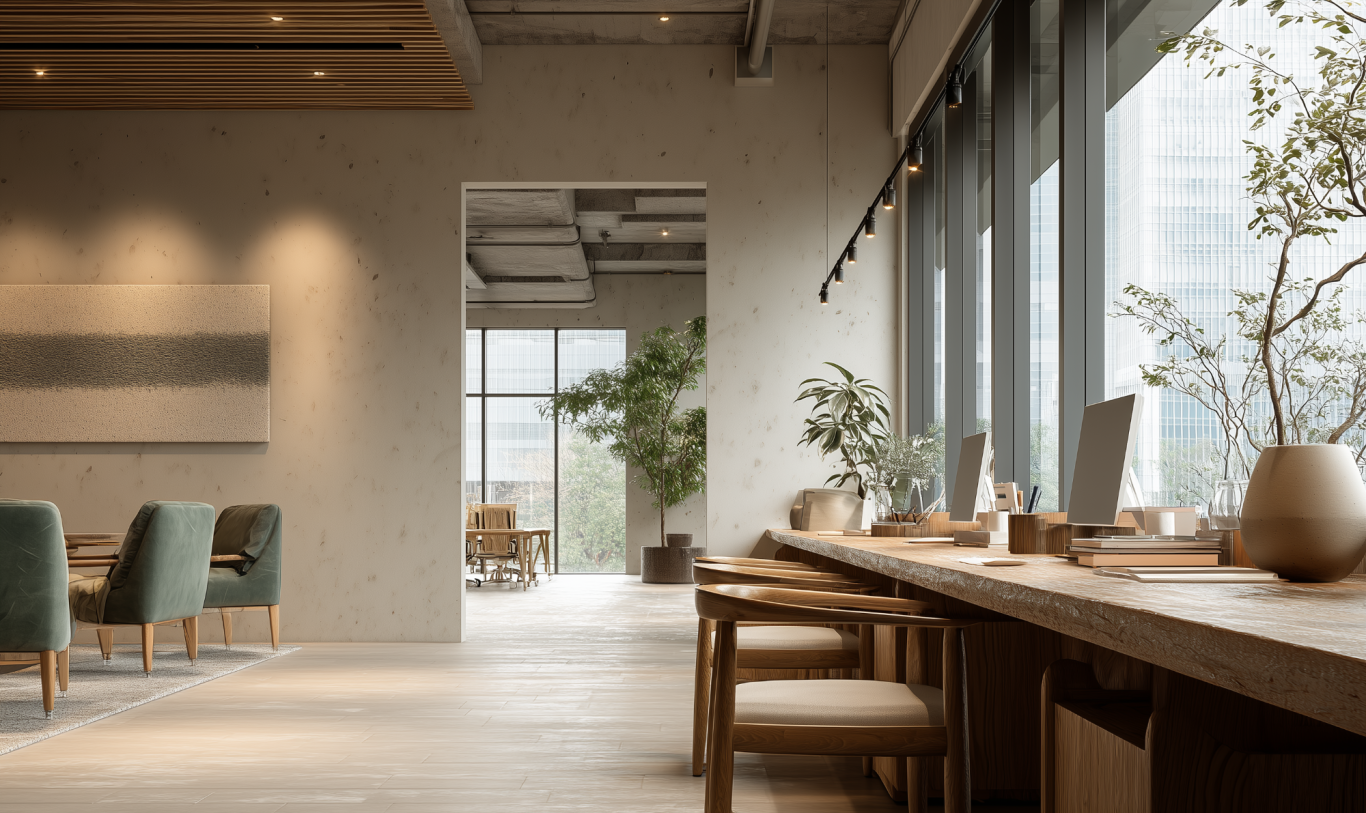
AI-generated images for illustrative purposes. © Dawn Scott 2025.
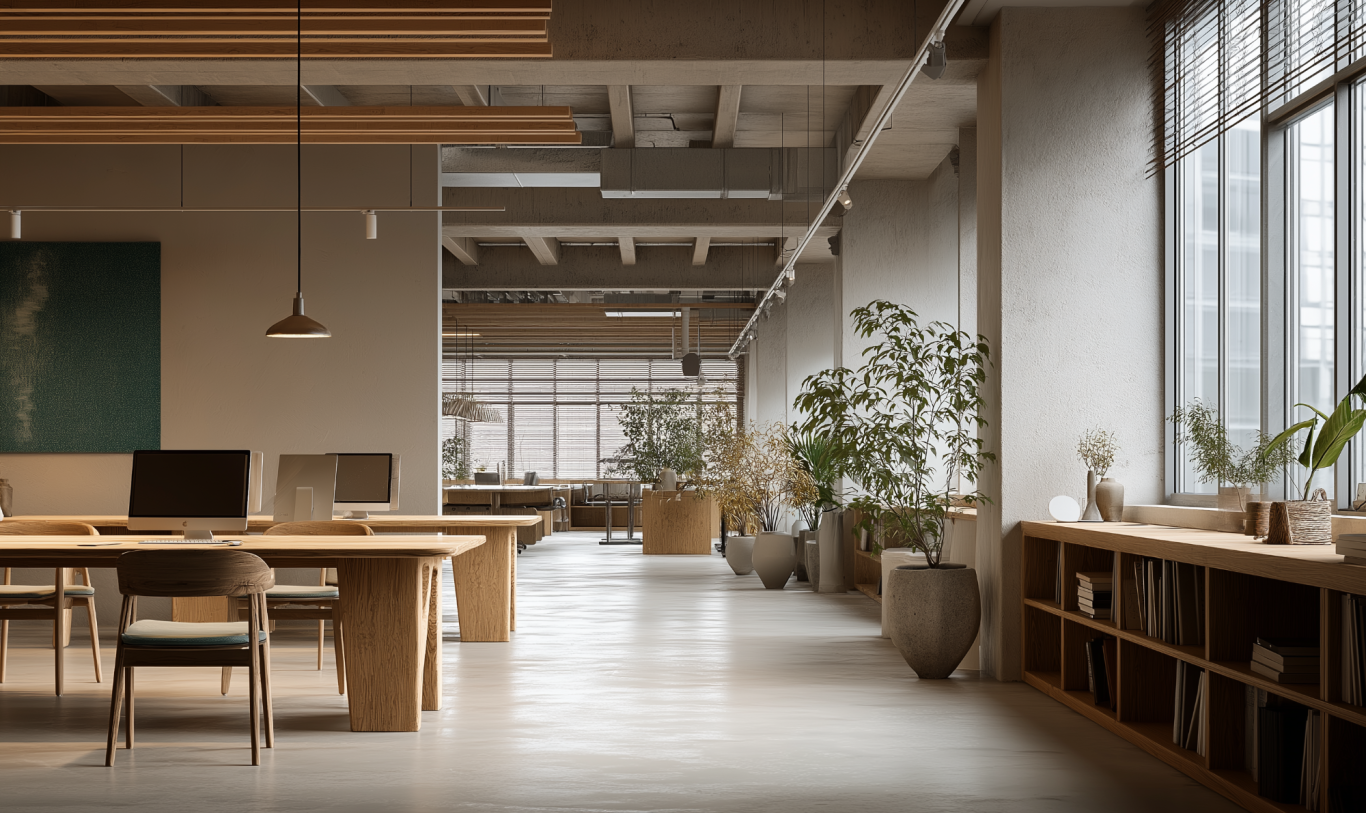
AI-generated images for illustrative purposes. © Dawn Scott 2025.
🌎 The overlap with sustainability
Biophilic design and sustainability are often spoken about together, but they’re not always the same thing.
Natural ventilation, daylighting, and cooler indoor temperatures can all support sustainability — but for some people, especially those with sensory processing differences, these can make spaces uncomfortable.
I recently joined a webinar where a speaker suggested that children could simply “get used to learning in lower temperatures, and wear a jumper” for environmental benefit.
But for some neurodivergent children, that’s not a small adjustment — it’s a sensory barrier.
Sustainability and inclusion can coexist, but only when we design for comfort first and energy efficiency alongside it.
🧭 Connection, comfort, and choice
Biophilic design shouldn’t be about how much nature we can squeeze into a space — it should be about how safely and comfortably people can connect with it.
When we design with connection, comfort, and choice in mind, nature-inspired design becomes something everyone can benefit from — not just those who find the outdoors easy to love.
Because nature isn’t one-size-fits-all. And neither is design.
Join the Colour Conversation
I’m Dawn Scott — a Senior Colour Designer at Dulux, interior design expert, and advocate for accessible, wellbeing-focused spaces.
This blog is part of a growing library that supports The Colour Code — my regular newsletter on colour, inclusive design, and how AI is reshaping the interior design industry.
If you found this useful, follow me on LinkedIn and subscribe to the newsletter using the button below. You’ll get fresh insights, practical tips, and thought-provoking ideas in your feed each month.
Views expressed are my own and do not represent those of my employer, AkzoNobel/Dulux.